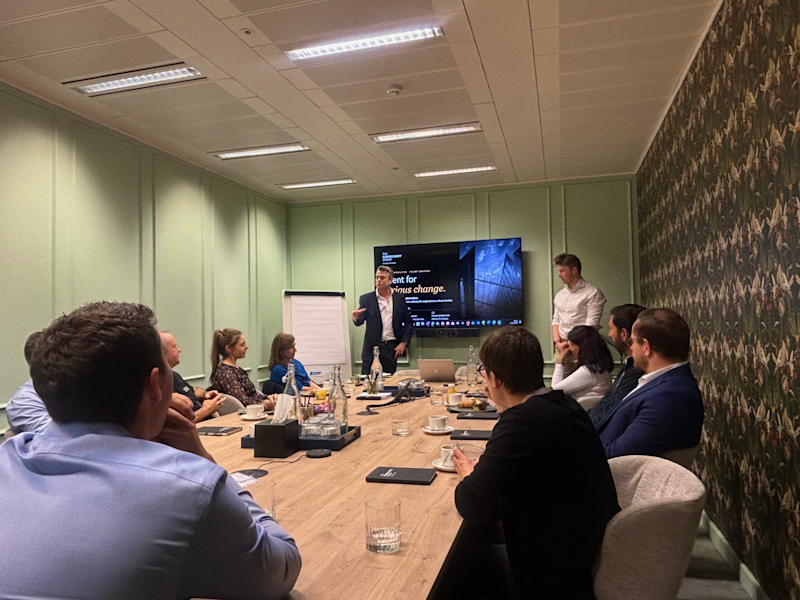
It is estimated that as much as 80% of jobs are never advertised, but are filled by a contact in someone’s network, so whether it’s face-to-face, one-on-one or online, networking is a vital tool for every recruiter.
Networking in person
It’s often said that everyone you meet and engage with outside of your own workplace counts as networking – you never know who that person might be or know or work for. However, treating every single encounter as a networking opportunity would be exhausting, so we use events or conferences to ensure we connect with the right people. There are a number of excellent reasons to network offline, as opposed to online:
Physically meeting people allows your personality and communication skills to shine, creating a genuine, more memorable relationship
Face-to-face offers immediate feedback and hones your selling/persuasion skills
Industry events can be a great way of learning more and getting the inside track on your sector
There is more access to senior leaders who you may not reach online
The candidates you network with will be the hiring managers of tomorrow
Personal relationships, even friendships, can be made, making you the first port of call when a recruiter is needed
A chance comment about a certain role might help you map the market, identify an opportunity, or think of a suitable candidate.
Such has been the rise of social media, that online networking has become commonplace and often the preferred method for some candidates. Some of the benefits of online networking are:
Networking online
Online is often the only way to reach millennial candidates or less confident candidates who don’t enjoy physical networking events
Online is great for international reach when meeting in person would not be possible, and also more convenient for 24/7 communication
Sector forums can help grow a large, relevant network
Events only reach local talent, the net is much wider online
Excellent for passive candidates who are browsing around
Researching and then engaging with someone online plays a part in background checking that would typically be done after networking in person – often saving time.
Both methods have advantages, but balancing both is the best policy to maximise your networking reach.